UNESCO World Heritage Sites in Japan
This post can contain affiliate links, which means that we may receive a small commission if you make a purchase using these links.
Facts & Figures
Japan is home to an impressive collection of UNESCO World Heritage Sites, ranging from ancient temples and shrines to unique natural landscapes and historic castles. With so many places spread across the country, it is impossible to visit everything in just a short trip. I have explored many of these sites over the years and grouped my favorites by personal wow factor. Keep in mind that this list does not include every major attraction in Japan, as several famous landmarks are not part of the UNESCO program. Japan received its first World Heritage inscriptions in 1993, and the list has continued to grow ever since.
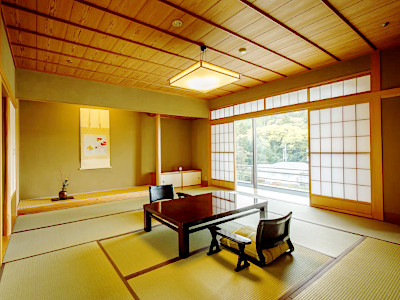 Discover Japan’s Best Ryokans >
Overview of the UNESCO World Heritage Sites in Japan
- Himeji Castle, Hyogo Prefecture
- Historic Monuments of Ancient Kyoto, Kyoto Prefecture
- Shirakawa-go, Gifu Prefecture
- Miyajima Itsukushima Shinto Shrine, Hiroshima Prefecture
- Nikko, Tochigi Prefecture
- Hiroshima Genbaku Dome, Hiroshima Prefecture
- Historic Monuments of Ancient Nara, Nara Prefecture
- Yakushima, Kagoshima Prefecture
- Shirakami Sanchi, Aomori and Akita Prefectures
- Iwami Ginzan Silver Mine, Shimane Prefecture
- Shiretoko Peninsula, Hokkaido
- Mt. Fuji, Shizuoka Prefecture
- Kumano Kodo Daimonzaka Hill, Wakayama Prefecture
- Ogasawara Islands
- Gusuku Sites and Related Properties of the Kingdom of Ryukyu, Okinawa Prefecture
- Meiji Industrial Revolution Sites
- National Museum of Western Art, Tokyo
- - 24. More Destinations follow soon
1. Himeji Castle, Hyogo Prefecture (UNESCO status since 1993)
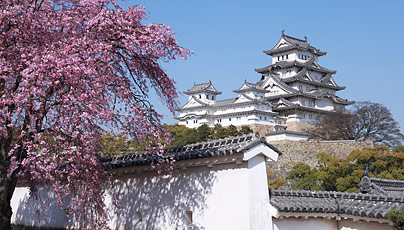
Himeji Castle or Himeji-jō is the most beautiful and most visited castle in Japan. It is also one of the last remaining original castles. The whole structure consists of an network of 83 buildings.
Read More
2. Historic Monuments of Ancient Kyoto, Kyoto Prefecture (1994)
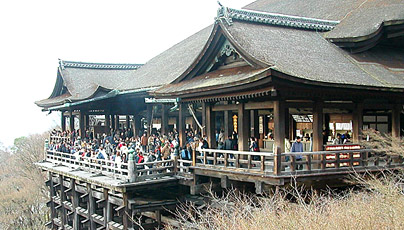
Kyoto is without doubt the number one travel destination in Japan. Enjoy these outstanding historical sites like
Nijo Castle
Kinkaku-ji
Ginkaku-ji
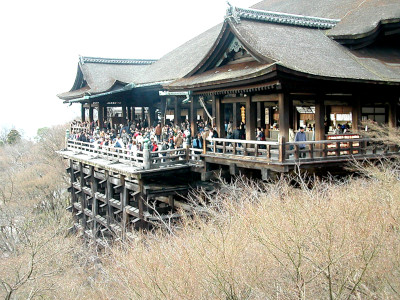
Kiyomizu-dera
Shimogamo Shrine
Read More
3. Shirakawa-go, Gifu Prefecture (1995)
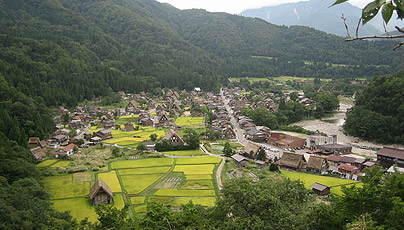
Shirakawa-go is an UNESCO World Heritage Site since 1995 (the 6th World Heritage in Japan). The place is famous for the unique architecture style of Gassho-zukuri farmhouses.
Read More
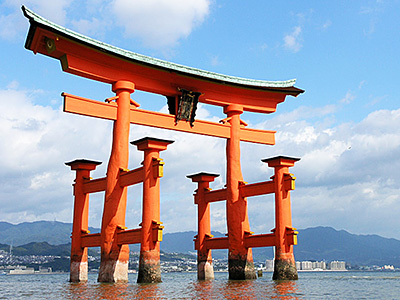
4. Miyajima Itsukushima Shinto Shrine, Hiroshima Prefecture (1996)
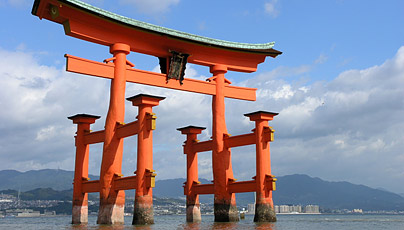
The torii of the Itsukushima Shrine at Miyajima Island is one of Japan's most popular tourist destinations.
Read More
5. Nikko, Tochigi Prefecture (1999)
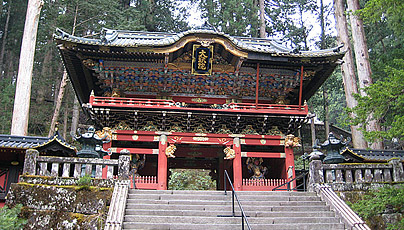
Nikko is one of the most popular tourist attractions in Japan. The Temples and Shrines of Nikko are a registered UNESCO World Heritage Site since December 1999.
Read More
6. Hiroshima Genbaku Dome, Hiroshima Prefecture (1996)
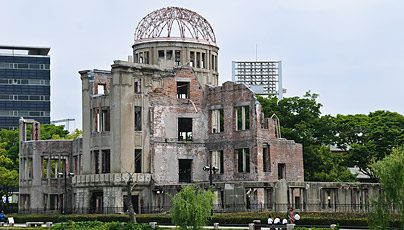
The Hiroshima Peace Memorial building was the last standing structure in central Hiroshima after the atomic bomb blast on the 6th August 1945.
Read More
7. Historic Monuments of Ancient Nara, Nara Prefecture (1998)
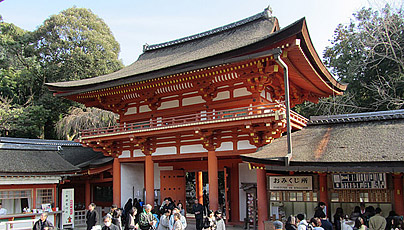
Nara was the capital of Japan from 710 to 784. With 8 UNESCO World Heritage Site this city is a must-see during your Japan trip. Great sightseeing spots are:
Todaiji Temple
Kasuga Taisha Shrine
Heijo Palace
Kofukuji Temple
Read More
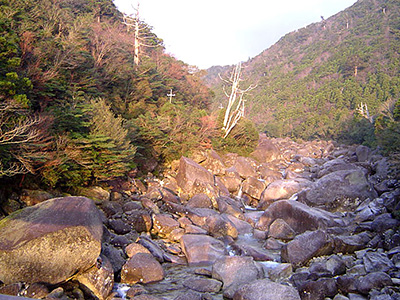
8. Yakushima, Kagoshima Prefecture (1993)
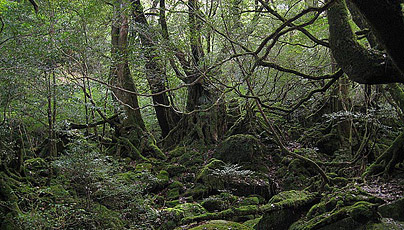
Yakushima belongs to the Ōsumi Islands. The round-shaped subtropical island covers an area of app. 505 square kilometres with an population of 15.000. The highest mountain with 1935m is called Miyanoura-dake.
Read More
9. Shirakami Sanchi, Aomori and Akita Prefectures (1993)
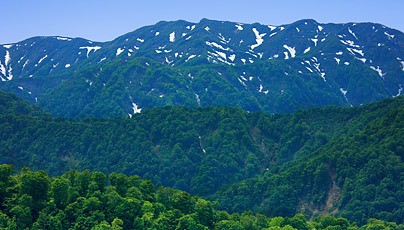
This UNESCO World Heritage Site is located in the northern part of Honshu. Shirakami Sanchi has one of the last natural beech forests in East Asia.
Read More
10. Iwami Ginzan Silver Mine, Shimane Prefecture (2007)
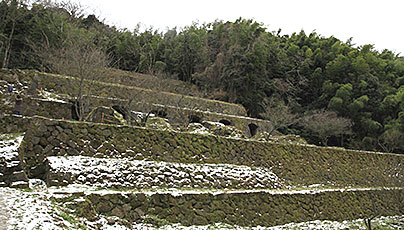
Iwami Ginzan was the largest Silver Mine in Japan, which produced high-quality silver, known as Soma Silver, for over 400 years.
Read More
11. Shiretoko Peninsula, Hokkaido, Hokkaido Prefecture (2005)
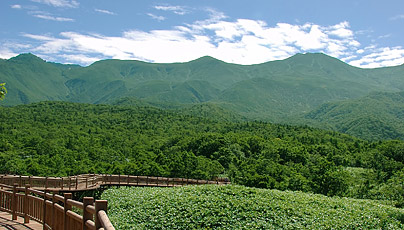
Shiretoko Peninsula is considered the last remaining wilderness in Japan with a unique flora and fauna.
Read More
12. Mt. Fuji, Shizuoka Prefecture (2013)
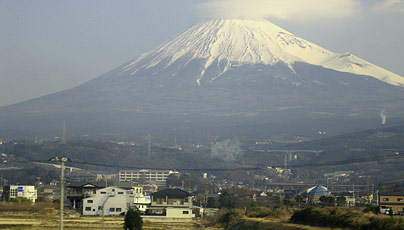
For many people Mt.Fuji is the symbol of Japan. The perfect shape and beauty of this volcano was praised in literature and paintings for centuries.
Read More
13. Kumano Kodo Daimonzaka Hill, Wakayama Prefecture (2004)
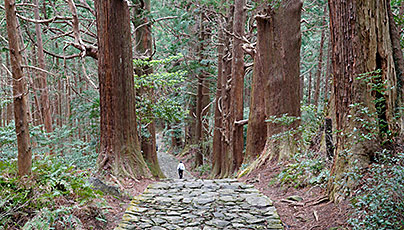
Japan Sacred Sites and Pilgrimage Routes in the Kii Mountain Range is a UNESCO World Heritage Site since 2004. These places are part of it:
Mount Koya
Kumano Kodo
Mount Yoshino
Read More
14. Ogasawara Islands, Ogasawara Subprefecture (2011)
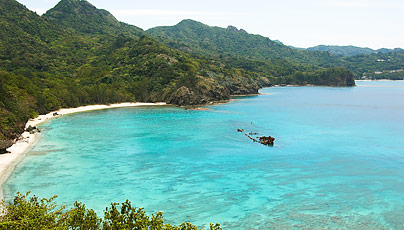
The islands are located approximately 1000km south of Tokyo. Around 30 subtropical islands belong to this group. Out of these Mukojima, Chichijima, and Hahajima (excluding settlements) are UNESCO World Heritage Site.
Read More
15. Gusuku Sites and Related Properties of the Kingdom of Ryukyu, Okinawa Prefecture (2000)
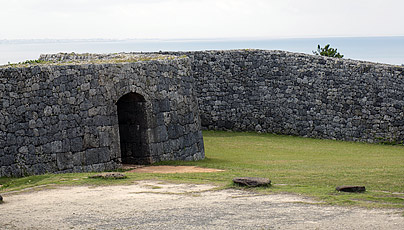
The Gusuku sites and related properties of the Kingdom of Ryukyu are a UNESCO World Heritage Site on the Okinawa Island. Have fun exploring the following places:
Zakimi Castle
Nakagusuku Castle
Shuri Castle
Katsuren Castle
Read More
16. Meiji Industrial Revolution Sites, located in 8 Prefectures (2015)
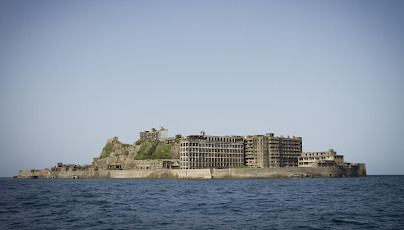
The Meiji Industrial Revolution in Japan marked a big turning point in the history of the country. It became an industrial powerhouse. 23 sites spread over 8 prefectures are now part of the UNESCO list, like the
Hashima Island (Gunkanjima)
Read More
17. National Museum of Western Art, located in Ueno Park, Tokyo (2016)
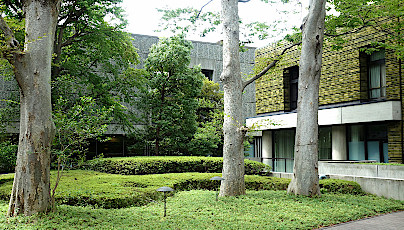
Located in Tokyo’s Ueno Park, the National Museum of Western Art is Japan’s only site listed under UNESCO’s Architectural Work of Le Corbusier. Designed by the Swiss-French modernist Le Corbusier (1887 – 1965), the building features his signature use of concrete and geometric forms, and the museum’s collection of European masterpieces makes it well worth a visit.
Features for
18. Historic Monuments and Sites of Hiraizumi, Iwate Prefecture (2011)
19. Tomioka Silk Mill and Related Sites, Gunma Prefecture (2014)
20. Horyu-ji Temple, Nara Prefecture (1993)
21. Okinoshima Island and Munakata Taisha, Fukuoka Prefecture (2017)
22. Hidden Christian Sites of Nagasaki, Nagasaki Prefecture and Kumamoto Prefecture (2018)
23. Mozu Kofun Tombs, Osaka Prefecture (2019)
24. Jomon Prehistoric Sites in Northern Japan (2021)
will follow soon.