Kanda Matsuri (Festival) in Tokyo
-
Kanda Matsuri in Tokyo
Quick Summary
- The Kanda Matsuri, also known as the Kanda Festival, is one of the most important festivals in Japan and one of the three Great Shinto.
- The festival is famous for its high-energy atmosphere.
- Festival Information: The center of the festival is around Kanda Shrine.
This post can contain affiliate links, which means that we may receive a small commission if you make a purchase using these links.
Facts & Figures
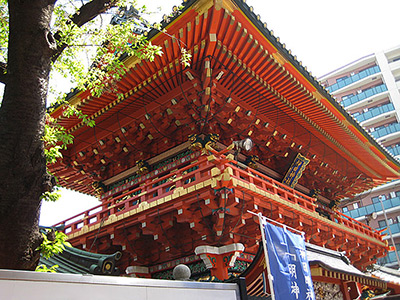
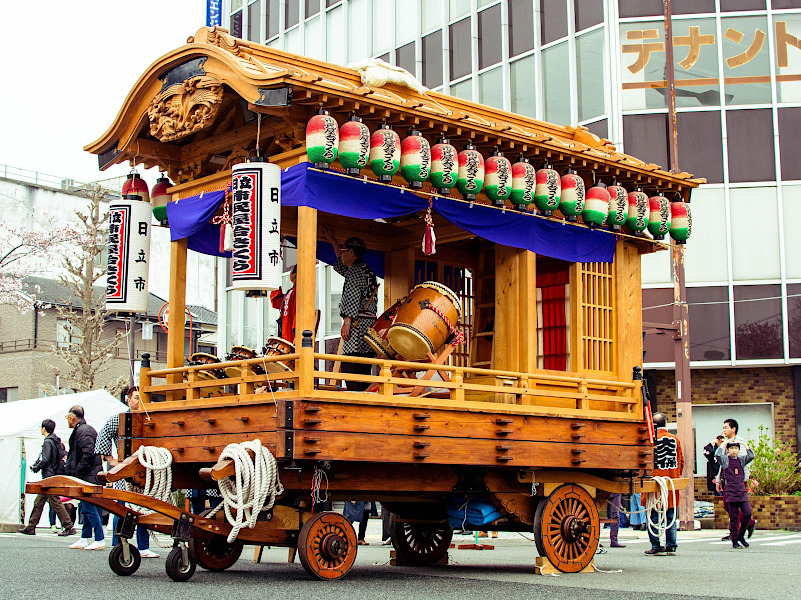
The Kanda Matsuri, also known as the Kanda Festival, is one of the most important festivals in Japan and one of the three Great Shinto Festivals of Tokyo (formerly Edo). The other two are the Sanno Matsuri and the Fukagawa Matsuri. The festival has a history of over 1300 years. It became especially prominent during the Edo period (1603–1867), when it was used to honor the Tokugawa Shogunate.
 Best Places to Stay in Tokyo >
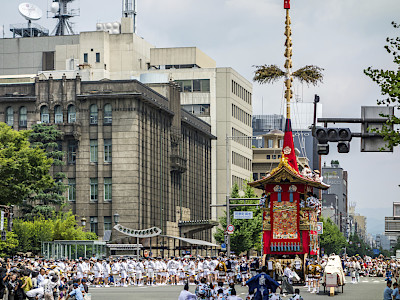
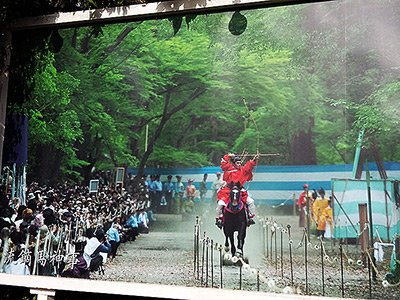
Please note that the full festival (Hon-Matsuri) is celebrated only in odd-numbered years. The festival held in between is called the Kage-Matsuri (shadow festival). The Kanda Matsuri lasts for an entire week in mid-May and features countless events, such as processions, parades, Noh theater performances, tea ceremonies, and much more. Tourists usually enjoy the main highlights on the weekend before May 15, when large processions lead to the Kanda Myojin Shrine near Akihabara. These processions feature over 200 floats and mikoshi (portable shrines). They are accompanied by priests on horseback, musicians, and participants wearing traditional Heian-era (794 – 1185) costumes. The festival is famous for its high-energy atmosphere.
Best Places to Stay in Tokyo >
Please note that the full festival (Hon-Matsuri) is celebrated only in odd-numbered years. The festival held in between is called the Kage-Matsuri (shadow festival). The Kanda Matsuri lasts for an entire week in mid-May and features countless events, such as processions, parades, Noh theater performances, tea ceremonies, and much more. Tourists usually enjoy the main highlights on the weekend before May 15, when large processions lead to the Kanda Myojin Shrine near Akihabara. These processions feature over 200 floats and mikoshi (portable shrines). They are accompanied by priests on horseback, musicians, and participants wearing traditional Heian-era (794 – 1185) costumes. The festival is famous for its high-energy atmosphere.
- Festival Information:
- The center of the festival is around Kanda Shrine, near Ochanomizu and Akihabara Stations. The parades and processions take place in the neighborhood of the shrine and extend into downtown Tokyo, including Marunouchi, Akihabara, Kanda, Nihonbashi, and Otemachi. It can get very crowded, especially around May 15, so it is recommended to arrive early at the best viewing locations, such as in front of the Nihonbashi Mitsukoshi Main Store. Admission is free.

Highlights
The festival’s main events take place on the Saturday and Sunday before May 15. On Saturday, the huge Shinkosai procession, with its famous floats, runs from 8am to 7pm. Approximately 500 people dressed in costumes from the Heian period take part in this procession. Most of the original floats were destroyed during the Great Kanto Earthquake in 1923 and in the air raids of World War II. On Sunday, it is time for the large Mikoshi Miyairi procession, featuring more than 100 portable shrines (mikoshi), which are carried by large teams representing their neighborhoods. This event culminates in a formal Shinto ceremony called Reitaisai, held by priests and members of the local community. During the ceremony, priests offer prayers for good health, prosperity, and safety. Another highlight is the taiko drum performances.
Location
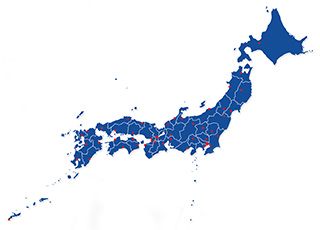
Kanda Shrine (Kanda-myojin) is located within the Chiyoda-ku (ward) in central Tokyo.
Address: 2-16-2 Sotokanda, Chiyoda-ku, Tokyo 101-0021
How to get to Kanda Shrine?
- Ochanomizu Subway Station is served by Marunouchi Line and
- 10min from Ochanomizu Subway Station (North East) to Kanda Shrine
Sightseeing spots Chiyoda Ward
Top:
Yushima Seido - This Confucian Shrine dates back to 1691 and was destroyed many times in the past. The highlight is the largest Confucius statue in the world. Read more >
Nikorai-dō (Holy Resurrection Cathedral) - The main cathedral of the Japanese Orthodox Church was built in 1891 by its founder Petrovich Rezanov Nikolai (1838 - 1912).
Akihabara - The "Electric Town" of Tokyo will provide you with any kind of electronic gadgets, games, anime, mangas and otaku products. Read more >
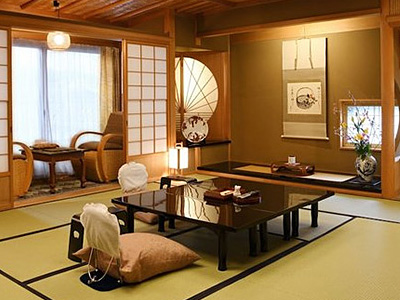
Where to stay in Tokyo?

Festival & Events in Tokyo (dates can change without notice)
May
Sanja Festival - Three Shrine Festival (every third Sunday of May)
It is one of the three great Shinto festivals in Tokyo (Sanja Festival, Kanda Matsuri, and Sanno Matsuri at Hie Shrine). The festival lasts for 3 days and attracts more than 2 Mio visitors. It features a parade with 100 decorated floats and thousands of people.
Kanda Matsuri (Saturday and Sunday around the 15th May)
The Kanda Festival belongs to one of the three great Tokyo Shinto festivals. App. 200 portable Shinto shrines (mikoshi) are carried around and the parade is joint by dancers and musicians.
June
Sanno Matsuri (mid-June)
The Sanno festival belongs to the three great Japanese festivals of Edo. Part of the festival is the Jinko-sai event, which is only performed in even-numbered years. Three portable shrines and hundreds of followers create a long procession that leads also to the Imperial Palace. One of the followers and the chief priest are allowed to pray there for the well-being of the imperial family. Hie Shrine received this honor as the only Shinto shrine in Japan.
August
Azabu-Juban Matsuri (3rd weekend in August)
The Azabu-Juban festival belongs to the most famous summer festivals in Tokyo. Nearly 10000 visitors enjoying every year brass band parades, dance performances, traditional Japanese food and many more entertainment programs.