Sacred Island and Historic City:
Miyajima and Hiroshima
-
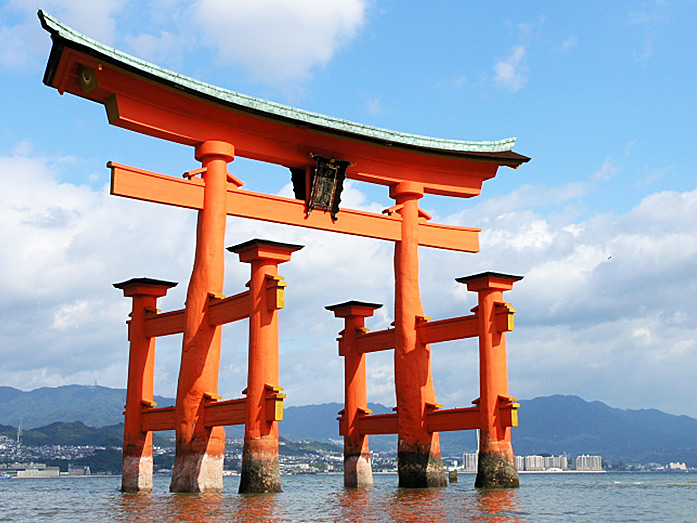
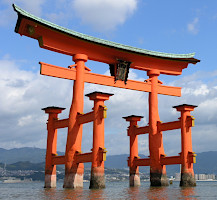
O-Torii gate, Itsukushima Shrine on Miyajima
-
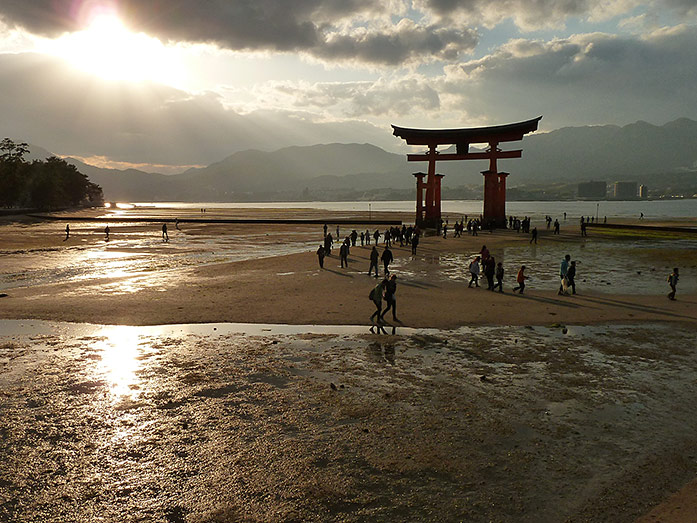
O-Torii gate, Itsukushima Shrine on Miyajima
-
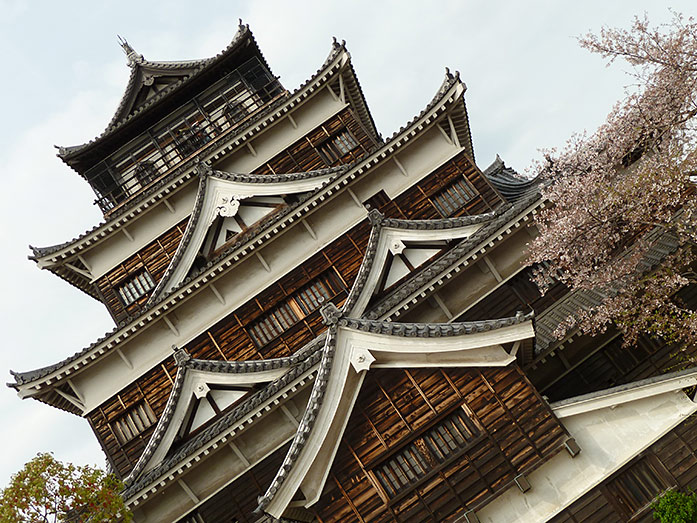
Hiroshima Castle Main Keep
-
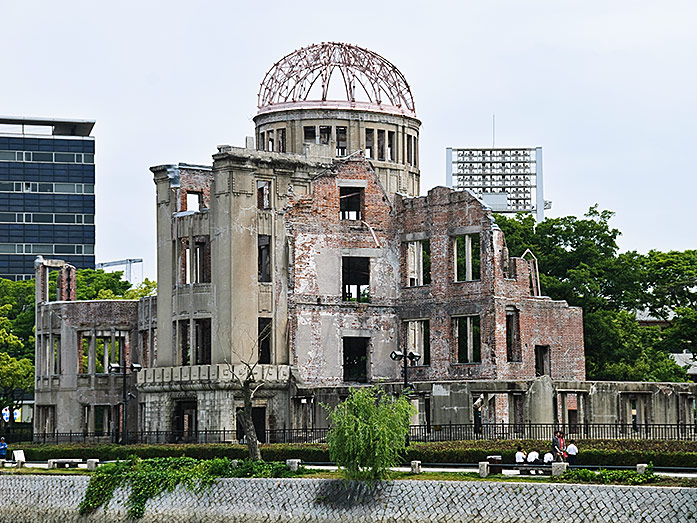
Hiroshima Peace Memorial - Genbaku Dome
-
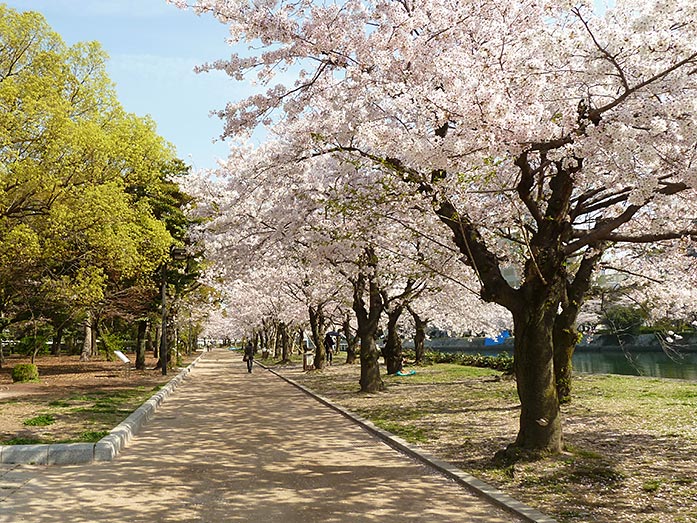
Hiroshima Peace Memorial Park
-
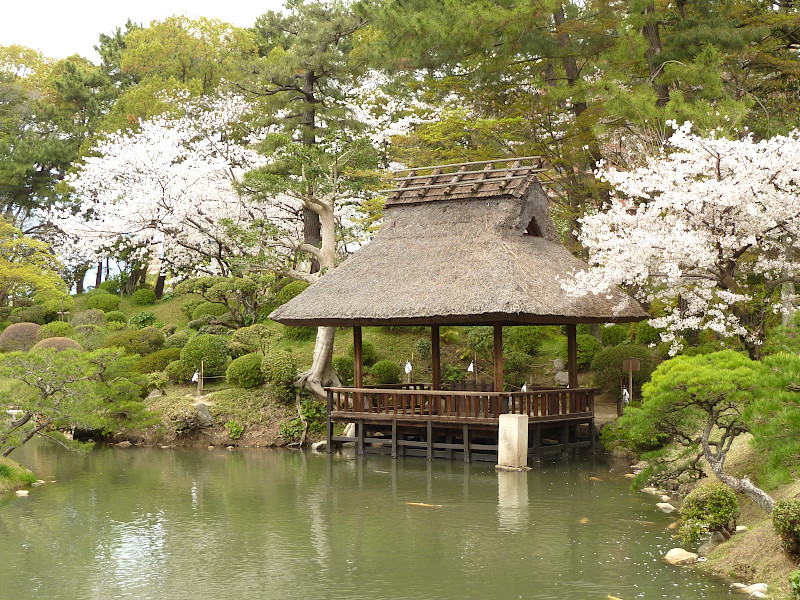
Yuyutei (Gazebo) Shukkeien Garden in Hiroshima
-
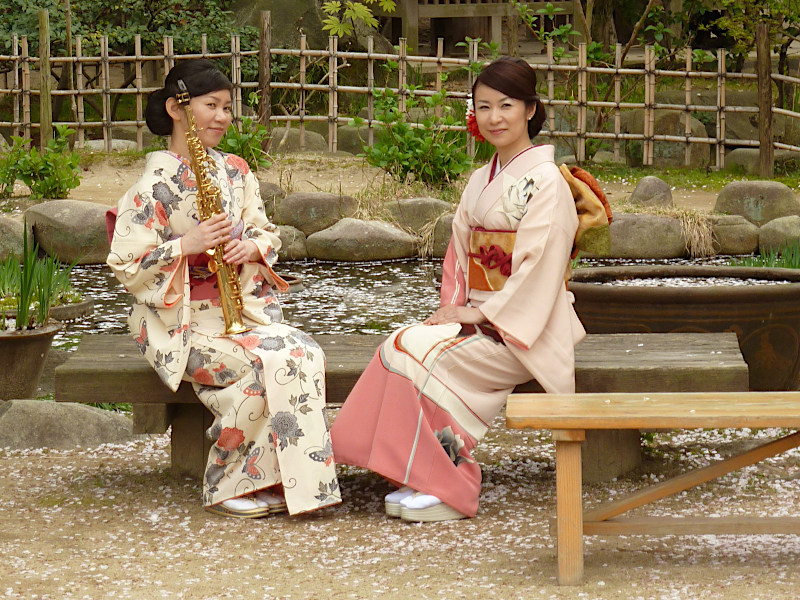
Woman with Kimonos in Shukkeien Garden
-

Hiroden Tram in Hiroshima
This post can contain affiliate links, which means that we may receive a small commission if you make a purchase using these links.
Trip Intro
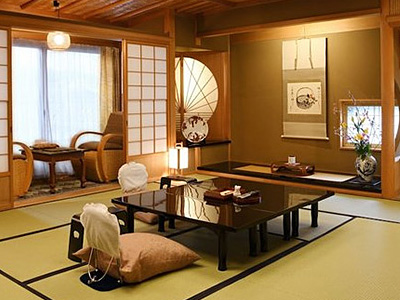
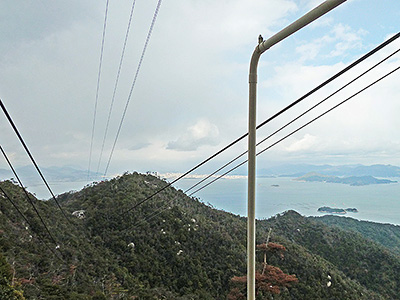
After visiting Kobe, I started my trip to Hiroshima with a 1,5hr Shinkansen ride. This place is a reminder of how important peace is. Visiting the Hiroshima Peace Memorial Park and the A-Bomb Dome (Genbaku Domu), a UNESCO World Heritage Site, was a deeply emotional experience for me. But this city has much more to offer. I enjoyed two days of exploring interesting spots like Hiroshima Castle or the beautiful Shukkeien Garden. Six rivers run through this densely populated city. Therefore, Hiroshima is also known as the City of Water. On my third day, I went to one of the tourist highlights in Japan, Miyajima Island, with the world-famous Itsukushima Shrine, a UNESCO World Heritage Site. I stayed here one night in a beautiful Ryokan, which gave me plenty of time to explore the island and its historical treasures like Gojunoto (Five-storied Pagoda), Omoto Park, and Daisho-in Temple. After the majority of the day tourists left the island by ferry in the late afternoon, I enjoyed the more quiet atmosphere. On the next day, I went up to Mt. Misen with the best views over the surrounding areas like Seto Inland Sea and Hiroshima.
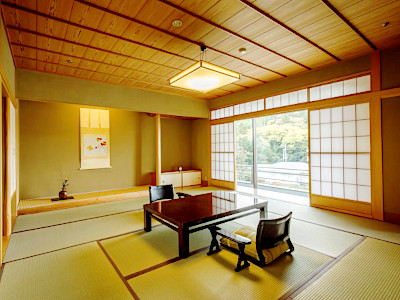 Best Places to Stay in Hiroshima
1A-Bomb Dome (Genbaku Domu) in Hiroshima
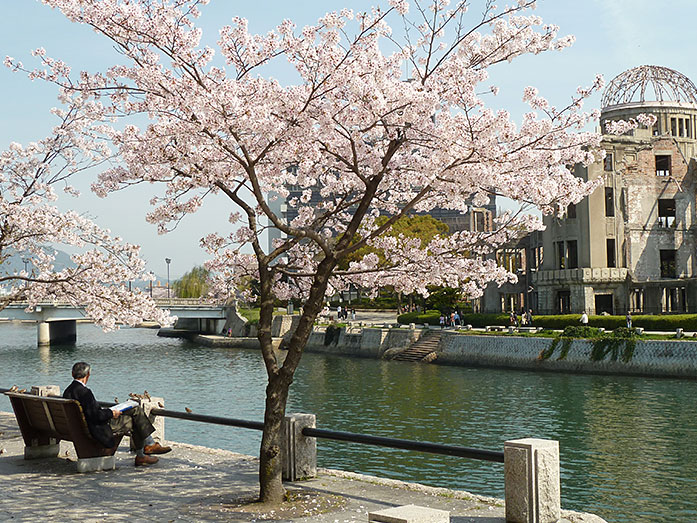
I took my time to deeply absorb the atmosphere of the Hiroshima Peace Memorial Park in the center of the city. The place was created to remember the victims of the world’s first atomic bomb attack. The A-Bomb Dome (Genbaku Domu), a UNESCO World Heritage Site since 1996, stands as the symbol of this tragedy. Over one million visitors from all over the world come every year to this 120.000 square meters park. At the time of my visit, I had the most beautiful cherry blossom scenery, and it makes you think that beauty and tragedy can exist in one place. The park contains many buildings, monuments, and museums like the Hiroshima Peace Memorial Museum, Memorial Cenotaph, Children’s Peace Monument, Peace Clock Tower, and Flame of Peace. Nearly 50 memorials can be visited in and around the park. Find out more >
My tips for local activities
How about exploring Itsukushima Shrine on Miyajima and other sightseeing spots in Hiroshima with an English-speaking tour guide? The personalized tour by our partner GetYourGuide can take between 4 - 6 hours. For more details check out this page >
2Hiroshima Castle (Hiroshima-jo)
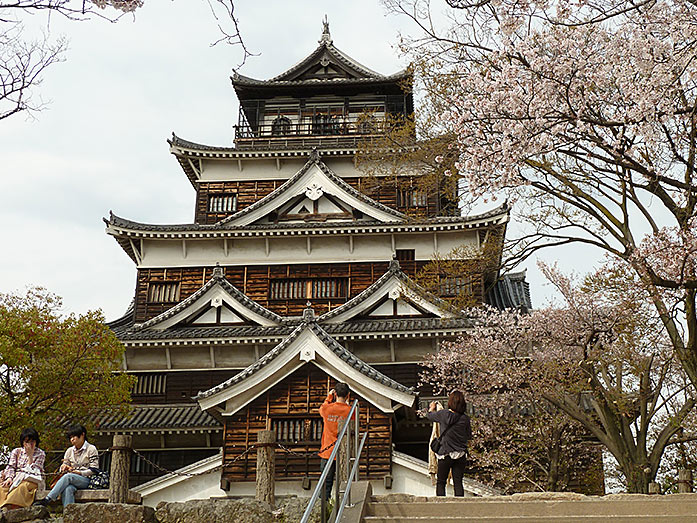
I was lucky enough to visit Hiroshima Castle (Hiroshima-jo) during cherry blossom season. The entire structure was destroyed by the atomic bomb in 1945 and rebuilt in 1958. Located in the city centre, the castle is a major tourist attraction. It is listed among Japan’s Top 100 Castles and is considered one of the country’s top three flatland castles. The main keep (main tower) is 26.6 meters tall, and its foundations are 12.4 meters high. In the old days, the castle was surrounded by moats filled with carp, which earned it the nickname Carp Castle (Rijo). Find out more >
3Shukkeien Garden in Hiroshima
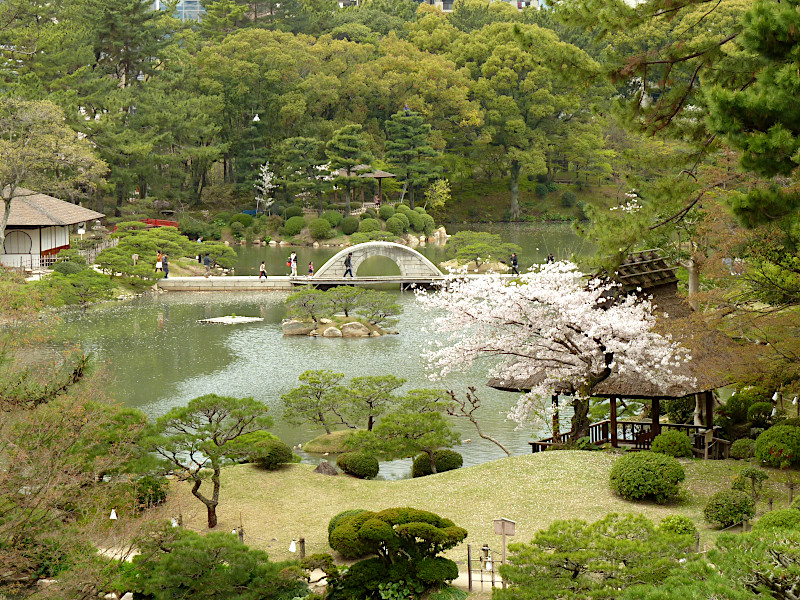
Close to Hiroshima Castle and the Hiroshima Prefectural Museum of Art, you’ll find Shukkeien, a beautiful Japanese landscape garden. It’s the perfect spot for a relaxing stroll, with scenic views and a large pond, Takuei, at its center. Shukkeien was established in 1620, during the Edo period (1603–1867), by Nagaakira Asano (1586 – 1632), a samurai and daimyo of the Hiroshima Domain. Only a ginkgo tree and the Kokokyo Bridge (Rainbow Bridge) survived the devastating atomic bombing in 1945. The garden was restored and opened to the public in 1951. Find out more >
4Miyajima
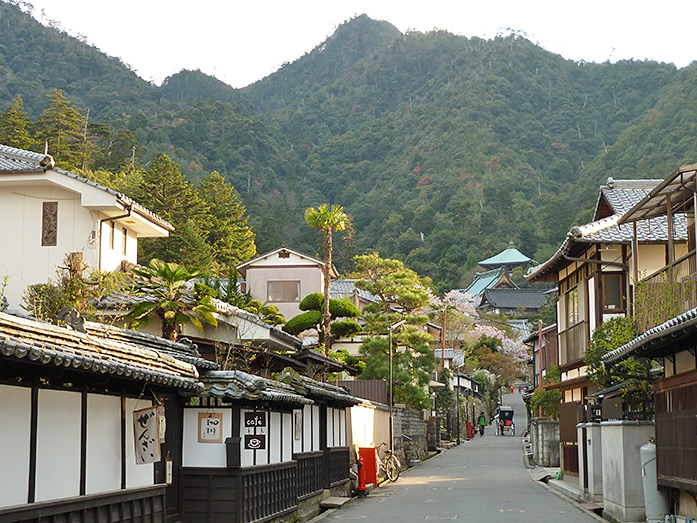
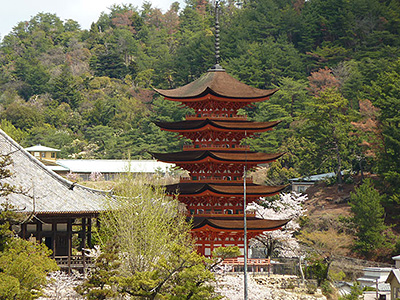
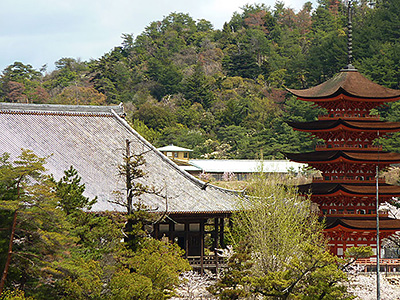
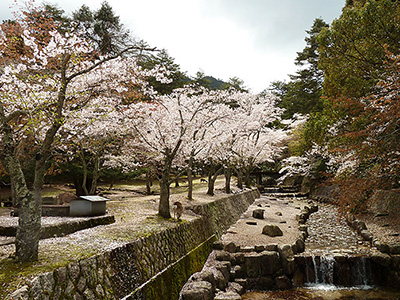
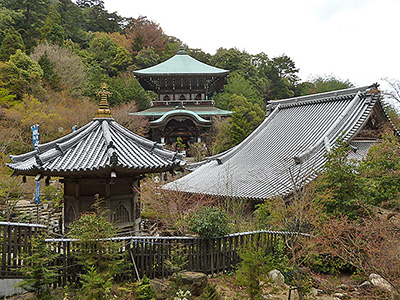
Miyajima Island is located in the Seto Inland Sea near Hiroshima. I have to say, I loved every minute of my stay. Arriving by ferry feels like entering a different world. The island is packed with temples and shrines (Daisho-in Temple, Itsukushima Shrine and Senjokaku Hall), pagodas (Miyajima Tahoto and Miyajima Gojunoto), statues, hiking trails on Mount Misen, parks such as Omoto Park, old houses, lush forests, wild deer and so much more. Highlights of my visit included spending a night in a ryokan and enjoying delicious local specialities such as momiji manju with a sweet bean (anko) filling, fresh oysters and steamed buns filled with Hiroshima beef. Find out more >
Don’t miss these highlights on Miyajima:
5Itsukushima Shrine on Miyajima
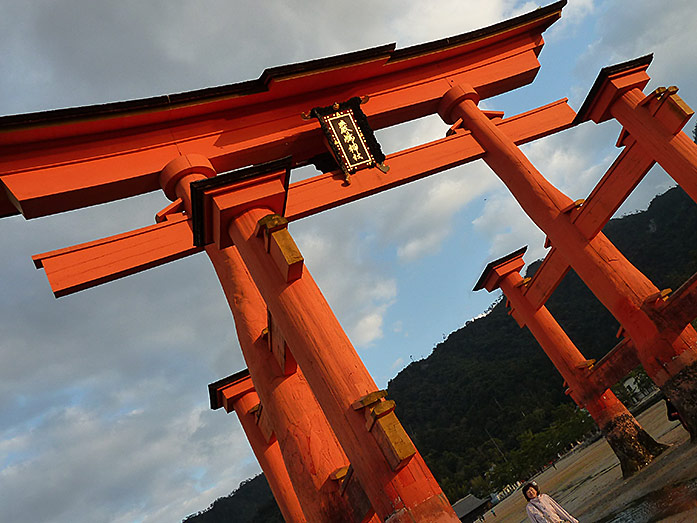
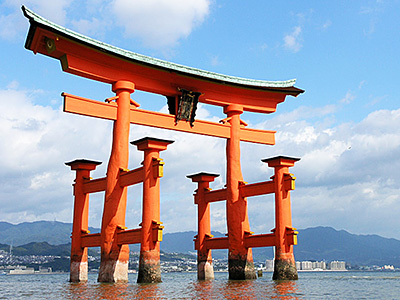
The Itsukushima Shrine with its famous huge torii, a UNESCO World Heritage Site, is located on the island. The torii was created in 1168 (Heian Period) by Tairo no Kiyomori (head of the Heike clan). It is considered as one of the three most scenic spots of Japan. The other two are Matsushima Bay and Amanohashidate. During high tide the shrine and its torii appear to be floating over the water. During low tide, you can even walk to the O-Torii gate and watch it up close. The shrine complex covers an area of 431.2 hectares and consists of 37 wooden buildings for the inner shrine and 19 for the outer shrine. All buildings stand on pillars above the water. Find out more >
Location
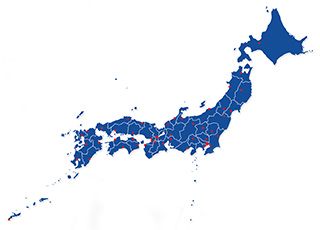
The city of Hiroshima is located in the western part of the island of Honshu within the Hiroshima Prefecture. The city is just 1.5 hours away by train from Osaka.
How to get to the city Hiroshima?
- Most tourists take the Sanyo Shinkansen for 1.5hrs from Shin-Osaka Station in Osaka to Hiroshima.