Going North:
Aomori’s Mountains, a Crater Lake, and Miles of Hiking Trails
-
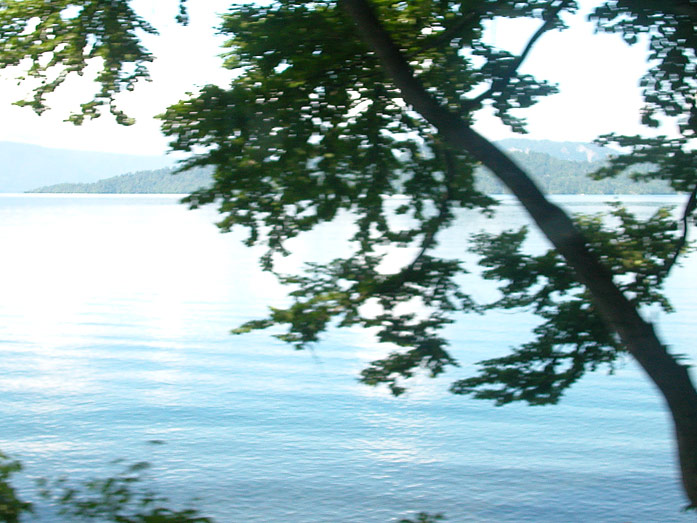
Lake Towada in Aomori Prefecture
-

Illumination of Aomori Bay Bridge at Night
-

Hiking Trail in the Hakkoda Mountain Range
-

Hirosaki Castle in Aomori Prefecture
This post can contain affiliate links, which means that we may receive a small commission if you make a purchase using these links.
Trip Intro
My trip started in Tokyo with an approximately 3.5-hour ride aboard a Hayabusa train on the JR Tohoku Shinkansen to Shin-Aomori. From there, I continued to Aomori City, where I explored the waterfront and visited the Nebuta Museum WA-RASSE. The museum gave me a fascinating introduction to the city’s famous festival Nebuta Matsuri and its colourful illuminated floats. I spent my first night in Aomori. On the next day, I took a local train to Hirosaki. I visited Hirosaki Castle and walked through its beautiful surrounding park before exploring the town at a relaxed pace. In the evening, I returned to Aomori for another night. On my third day, I took a one-hour JR bus from Aomori Station towards Lake Towada and got off at Hakkoda Ropeway. The same bus route continues through Sukayu and Oirase Gorge to Lake Towada. This route operates seasonally, so check the latest JR Bus Tohoku timetable before travelling: winter services from Aomori terminate at Sukayu and do not continue to Oirase or Lake Towada. I spent the day hiking through the Hakkoda Mountains before relaxing in an onsen and staying overnight in the Sukayu area. The following day, I continued by JR bus towards Lake Towada. I got off along the route and spent much of the day walking beside the clear Oirase Stream and discovering its many waterfalls. Afterwards, I took the bus onward to Lake Towada, where I stayed for the night. On my final day, I took a sightseeing boat tour across Lake Towada and enjoyed beautiful views of the surrounding mountains from the water. Afterwards, I explored the peaceful lakeshore and visited Towada Shrine before I went back to Tokyo.
 Best Places to Stay in Aomori City
Destination Overview
1Aomori City
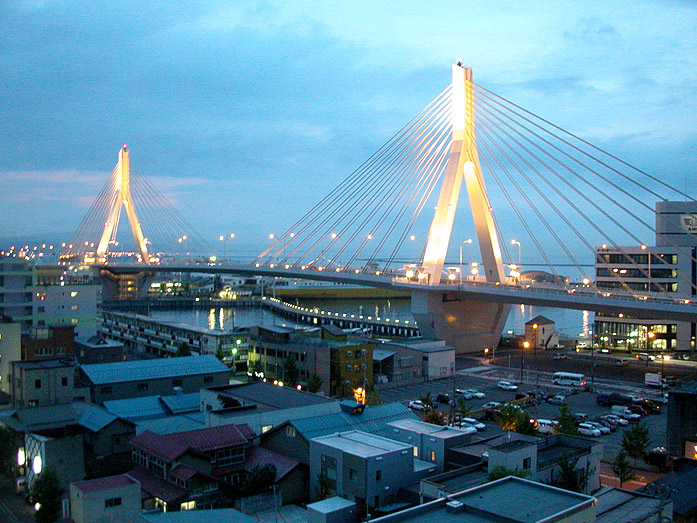
Aomori City has about 257,000 residents and is located at the northern tip of Honshu. With its large port and beautiful natural surroundings, the city was a great starting point for my unforgettable trip. Aomori has long served as an important gateway to Hokkaido. Since opening in 1988, the Seikan Tunnel has provided a rail link beneath the Tsugaru Strait, allowing passengers to travel safely from Aomori to Hokkaido by train instead of crossing the often rough sea by ferry. Every August, Aomori hosts one of Japan’s most famous festivals: the Nebuta Matsuri, held from 2 to 7 August. Around 20 enormous illuminated floats, known as nebuta, are paraded through the city, accompanied by lively dancers and musicians. The festival attracts thousands of visitors. I also had time to visit two museums: the Aomori Museum of Art and the Munakata Shiko Memorial Museum of Art, both of which have impressive art collections. Find out more >
2Hirosaki Castle
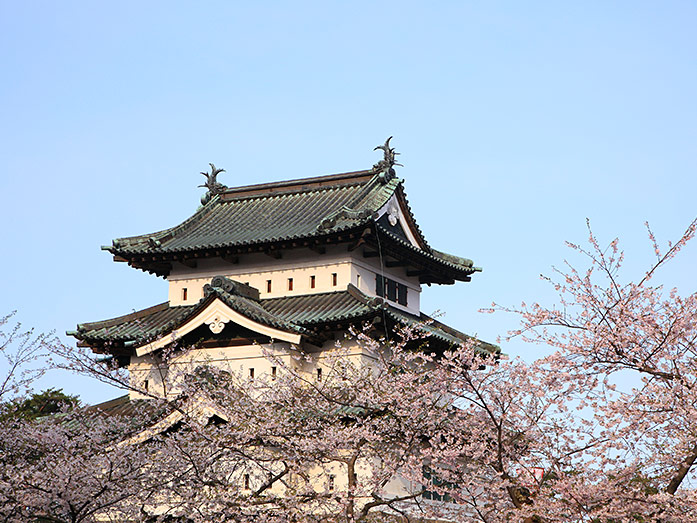
It takes just one hour by local train from Aomori to Hirosaki and a 15-minute bus ride to Hirosaki Castle, also known as Takaoka Castle. It is one of the finest castles in Japan and one of only 12 original castles remaining in the country. Please note that the castle keep’s interior has been closed to visitors since 24 November 2025, with the closure expected to last several years. The surrounding Hirosaki Park is a must-see during cherry blossom season (late April to early May). The park is famous throughout Japan, and more than 1 million visitors each year enjoy its approximately 2,600 cherry trees representing more than 50 varieties. The castle was completed in 1611 by order of the daimyo Tsugaru Nobuhira (1586–1631), a member of a Japanese samurai clan. Another highlight you should not miss is the Neputa Matsuri during the first week of August. It is Hirosaki’s largest annual festival and is famous for its colourful illuminated floats, dancers and large parades. Many visitors join the festival and participate in the parade activities. Find out more >
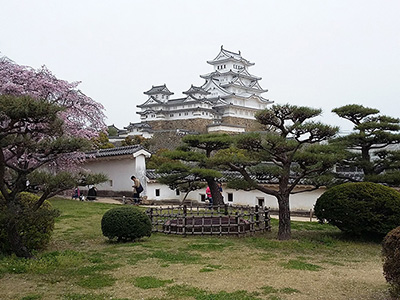
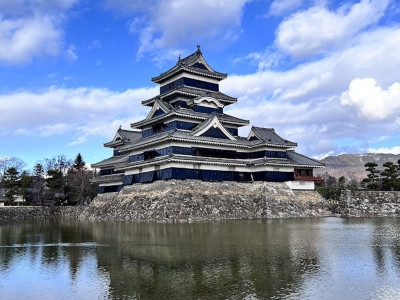
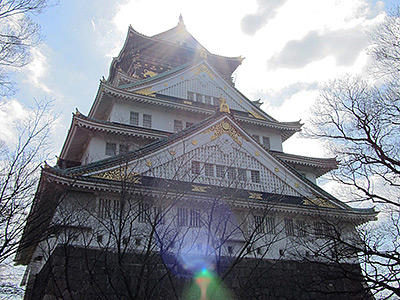
Don’t miss these other famous Castles in Japan:
3Hakkoda Mountains
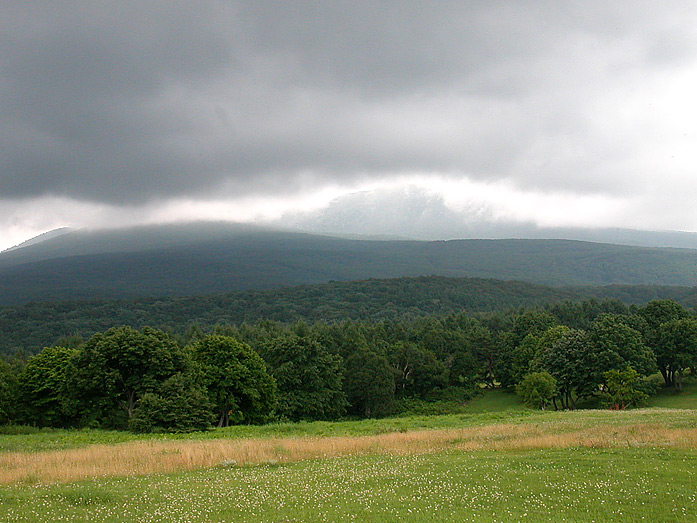
This is my personal hiking paradise in the northern part of Honshu. The Hakkoda Mountains are volcanic in origin, and the highest peak is Mount Odake at 1,584 metres. During summer, this region is a popular hiking destination. In winter, it offers excellent skiing and snowboarding. I took the Hakkoda Ropeway to Mount Tamoyachi and started a full-day hike from the top through beautiful scenery. One important tip: Asian black bears live in this area. Before setting out, check local bear alerts and follow the latest safety guidance from park authorities. Find out more >


4Oirase Stream
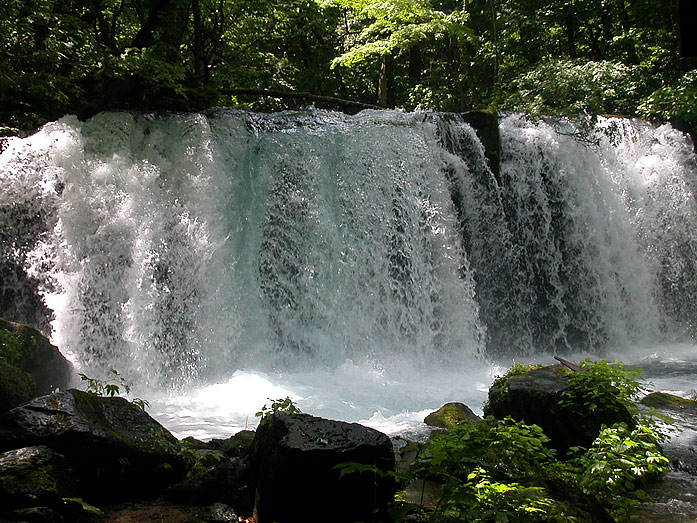
You can easily spend an entire day walking along the 14-kilometre-long Oirase Stream and discovering waterfalls such as Tomoshiraga (life-long partnership), Soryu (two dragons), and Shirakinu (white silk). The stream is the only river flowing out of Lake Towada. The scenery along the stream and through the gorge feels as though it has come straight out of a fairy tale. I found it incredibly beautiful, and it is no wonder that poets and painters have visited for centuries in search of inspiration. In recent years, partly because of Instagram, the area has become so popular with hikers and cyclists that you need to start your walk very early to enjoy some peace and quiet in nature. Another highlight comes in autumn, when the changing leaves cover the landscape in magnificent colours. Find out more >
5Lake Towada
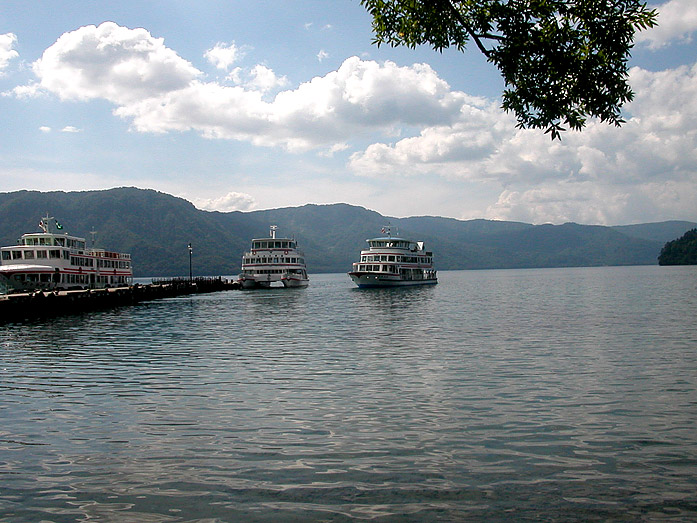
Lake Towada, famous for its deep blue color, is a natural wonder set within a vast double caldera, formed by powerful volcanic eruptions thousands of years ago. It is one of the most popular attractions in northern Japan. A few facts first: Lake Towada is the largest caldera lake on Honshu. It features two peninsulas, reaches a depth of 327 meters, has a circumference of 52 kilometers and covers an area of 61.1 square kilometers. You can also board one of the sightseeing boats and enjoy the magnificent scenery from the water. Find out more >
Location
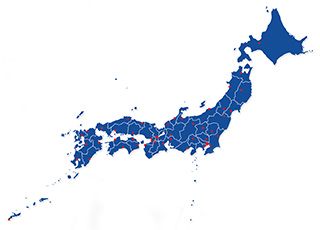
Aomori City, the starting point of this trip, is located at the northern tip of Honshu.
How to get to Aomori City?
- Approximately 80 minutes by air from Tokyo Haneda Airport to Aomori Airport, followed by an airport bus into the city; or
- Approximately 3.5 hours from Tokyo to Shin-Aomori by Hayabusa train on the JR Tohoku Shinkansen; or
- Approximately 10.5 hours from Tokyo to Aomori Station by overnight bus