Sacred Paths of Wakayama:
Mount Koya, Kumano Kodo & more
-
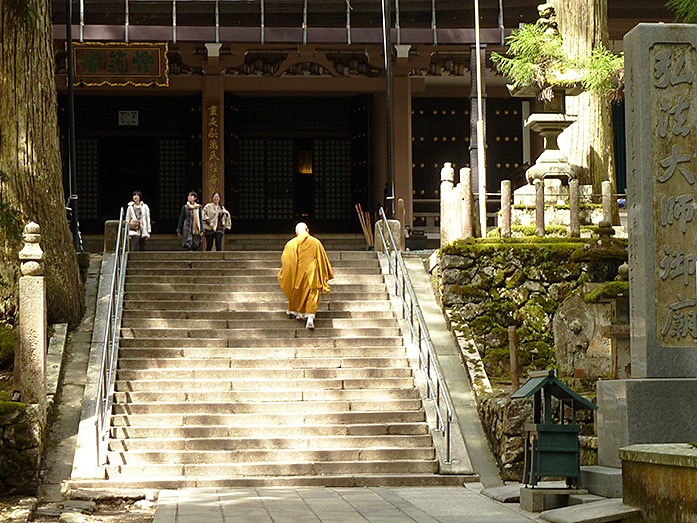
Mausoleum Of Monk Kobo Daishi Okunoin Cemetery, Mt. Koya
-
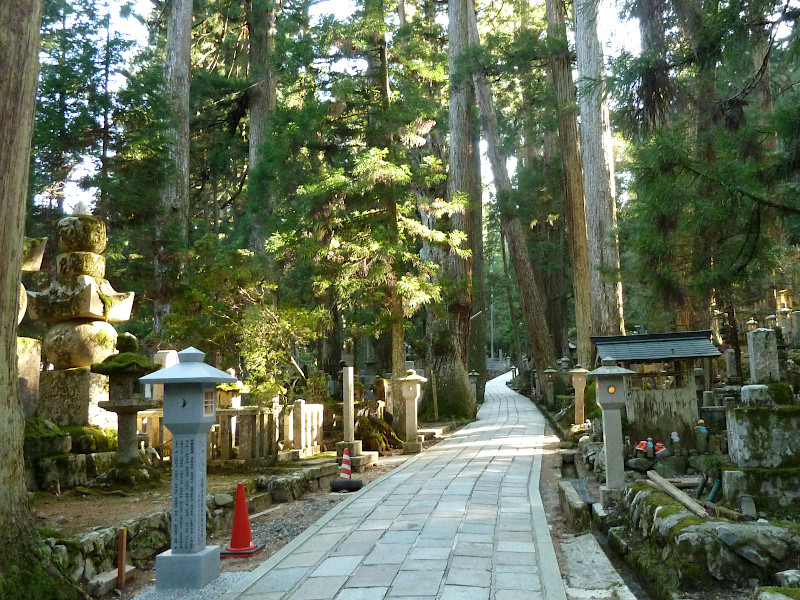
Mount Koya Okunoin Cemetery, Wakayama Prefecture
-
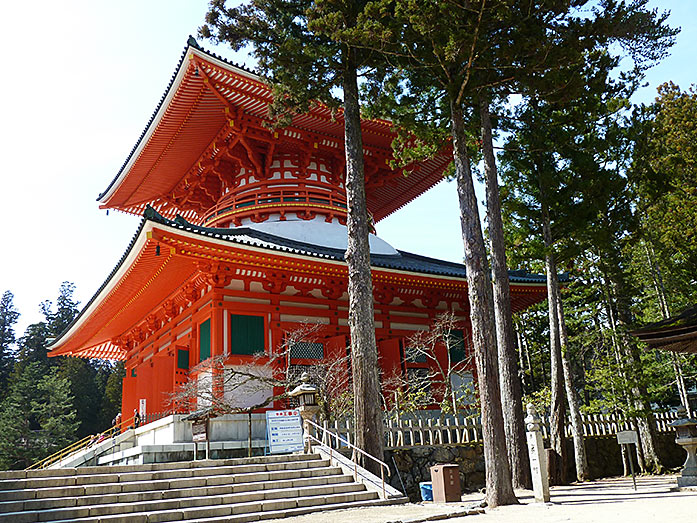
Konpon Daito Pagoda, Mount Koya
-
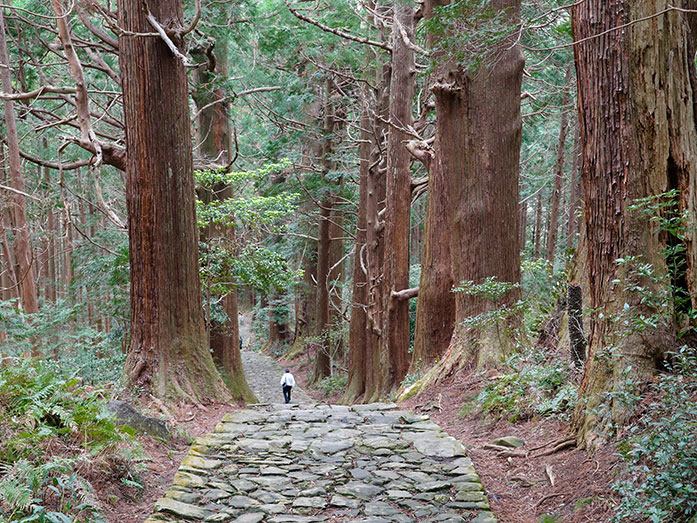
Kumano Kodo Pilgrimage Route in Daimonzaka Hill, Wakayama Prefecture
-
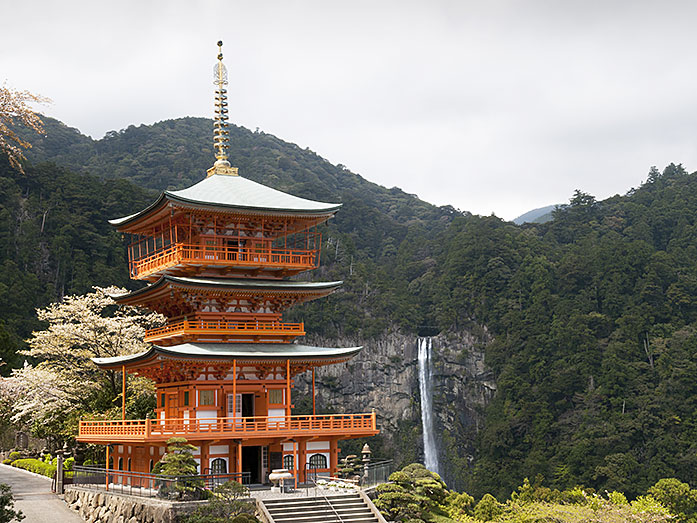
Pagoda of Seiganto-ji Temple with Nachi Falls
This post can contain affiliate links, which means that we may receive a small commission if you make a purchase using these links.
Trip Intro
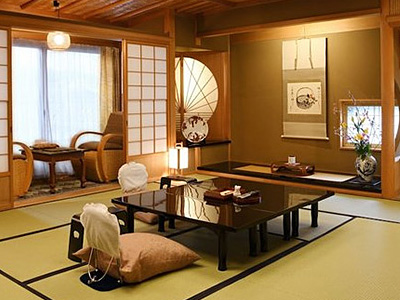
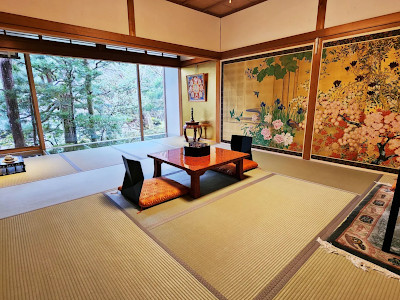
My unforgettable trip started with a train ride from Osaka to Koyasan. I wanted to learn more about the 1200-year history of Shingon Buddhism. Exploring this sacred place and UNESCO World Heritage Site was an amazing experience. After one night in a shukubo, or temple inn, I walked for a few hours along the Kohechi trail, which is part of the ancient Kumano Kodo pilgrimage routes. After one more night in a shukubo, I took a bus from Koyasan to the famous Kumano Hongu Taisha shrine, one of the three grand shrines of Kumano. I took my time exploring the area and stayed in a nearby ryokan. The next destination on my trip was Nachi Station, near Seiganto-ji. It took me two different buses to get there. After a refreshing night in a hotel, I explored Seiganto-ji the next day, a temple that offers one of the most beautiful views in Japan. After a day full of amazing sightseeing, I returned to Osaka.
 Get Your Pass Now and Save!
1Mount Koya in Wakayama Prefecture
Koyasan, or Mount Koya, is part of the UNESCO World Heritage Site known as the Sacred Sites and Pilgrimage Routes in the Kii Mountain Range. It is home to the headquarters of the Koyasan sect of Shingon Buddhism. Okunoin, the largest graveyard in Japan and the site of Kobo Daishi’s mausoleum, is also located here and is considered the spiritual start and end point of the Shikoku 88 Temple Pilgrimage. For a very special experience, stay overnight in one of the 51 temple inns, known as shukubo. You can participate in morning ceremonies performed by priests, such as meditation, or ajikan, sutra teachings, and sutra-copying practice, or shakyo. The area consists of more than 100 temples, and I would start with Kongobu-ji, the head temple of Shingon Buddhism, which features the largest rock garden in Japan. Other highlights include the 45-metre-tall Konpon Daito Pagoda and the sacred Danjo Garan temple complex. Find out more >
My tips for local activities
How about exploring the amazing Mt. Koya and its historical sites with a local guide? Learn about the mountain's connection to the Shingon school of Buddhism. For more details check out this page >
Don’t miss these Wakayama Prefecture highlights:
2Kumano Kodo in Wakayama Prefecture
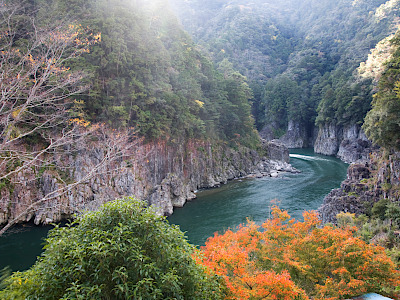
Kumano Kodo describes a network of seven ancient pilgrimage routes in the Kii Mountains Range (Wakayama Prefecture). These hiking trails are an important part of the UNESCO World Heritage site called "Sacred Sites and Pilgrimage Routes in the Kii Mountain Range". The main purpose of these trails was to connect and worship at the three Grand Shrines of Kumano (Kumano Sanzan) with the names Kumano Hayatama Taisha, Kumano Hongu Taisha, and Kumano Nachi Taisha. The pilgrimage was done by all parts of society, from the normal working class up to retired emperors. The 65-kilometer-long Kohechi route connects the town of Koyasan with the well-known Kumano Hongu Taisha shrine. It takes four days of hiking through very steep terrain. I had only one day to enjoy the scenery, and for my shrine visit, I took the local bus for 4.5 hrs. Find out more >

3Kumano Hongu Taisha Shrine in Wakayama Prefecture
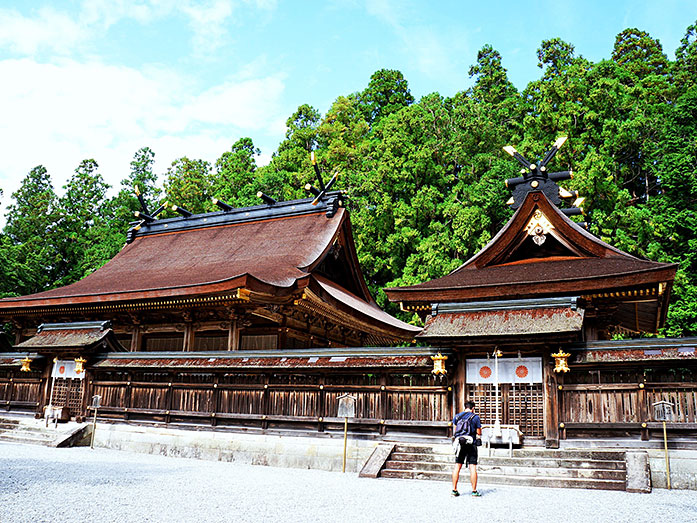
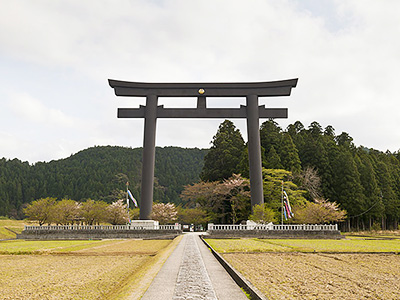
The Kumano Hongu Taisha Grand Shrine is a UNESCO World Heritage Site with a history of over 900 years. It is located at the center of the Kumano Kodo network of pilgrimage routes in this area. Since 1995, it has the status of an Important Cultural Property of Japan. The shrine, surrounded by giant cypress and cedar trees, belongs to the three grand shrines of Kumano. It is also the head shrine of over 3000 Kumano shrines all over Japan. Once you are there, you should also check out the nearby Otorii Oyunohara, the largest Torii Gate in the world. Find out more >
My tips for local activities
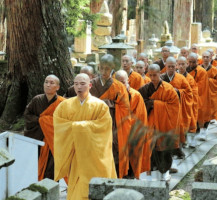
How about exploring the best parts of the Wakayama Prefecture with a local guide? For more details check out this page >
4Seiganto-ji Temple in Wakayama Prefecture
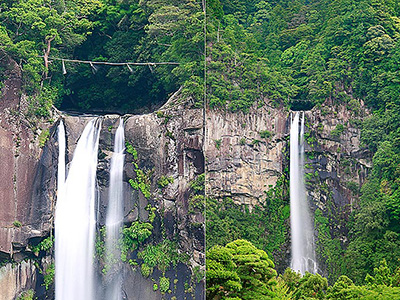
Seiganto-ji, with Nachi Falls in the background, offers one of the most scenic views in Japan. The 133-meter-high Nachi Falls is the tallest uninterrupted single-drop waterfall in Japan. Over one million tourists visit the site every year. The Tendai Buddhist temple Seiganto-ji has been a UNESCO World Heritage Site since 2004 and is famous for its beautiful 25-meter-tall three-story pagoda, which was reconstructed in 1972. Another highlight is the Ryuhoden, or Treasure Hall, which displays many historically important items, as well as Nyohodo, also known as the Hall of Lanterns. Find out more >
Location
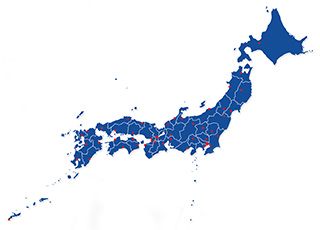
Koyasan, the start point of this trip, is located in the northeastern part of the Wakayama Prefecture within the Koya-Ryujin Quasi-National Park.
Address: 132 Koyasan, Koya, Ito District, Wakayama 648-0211, Japan
How to get to Koya-san, Kumano Hongu Taisha and Seigantoji?
- 100min from Osaka Namba Station to Gokuraku-bashi St. by Nankai Koya Line and
- 5min from Gokuraku-bashi Station to Koyasan by cable car
- 4,5hrs from Koyasan to Kumano Hongu Taisha shrine by seasonal Koyasan & Kumano Access Bus
- 2,5hrs from Hongu Taisha-mae bus stop to Nachi Station by Kumano Gobo Nankai Bus (change the bus in Shingu )
- 20min from Nachi Station to Seiganto-ji by local bus Nachisan Line 31