
Japan's Most Famous Trail:
Nakasendo
-
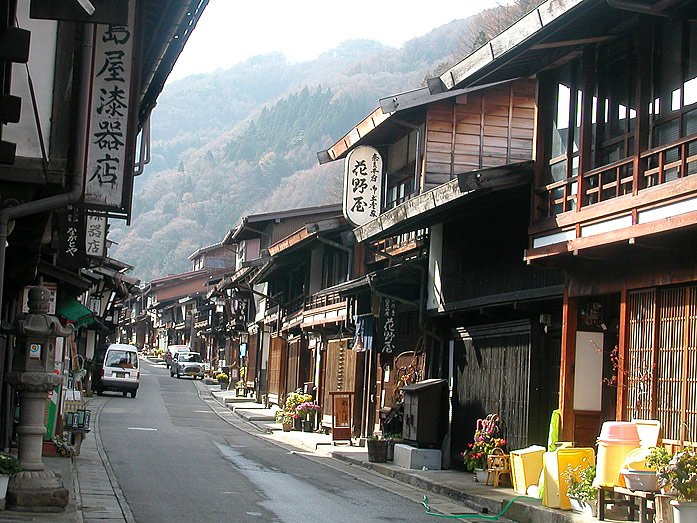
Old Post Town Narai, Kiso Valley
-
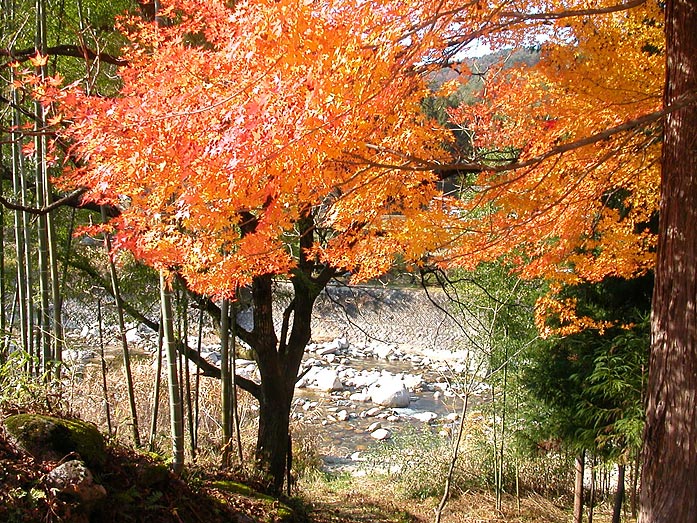
Hiking between Magome and Tsumago, Kiso Valley
-
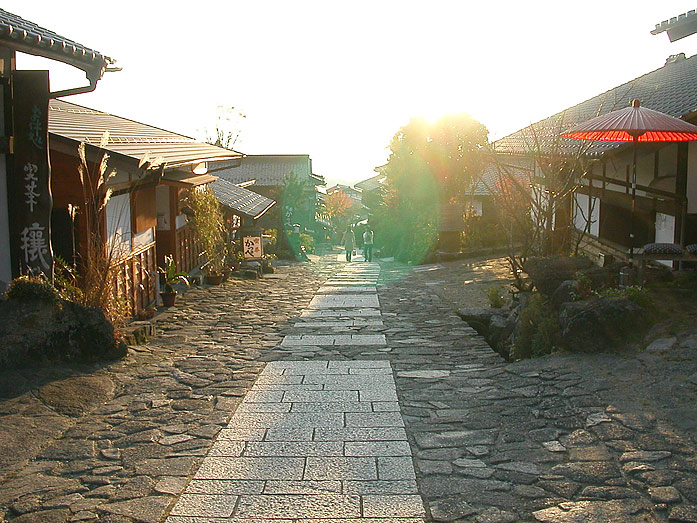
Magome Old Post Town along the Nakasendo Route
-
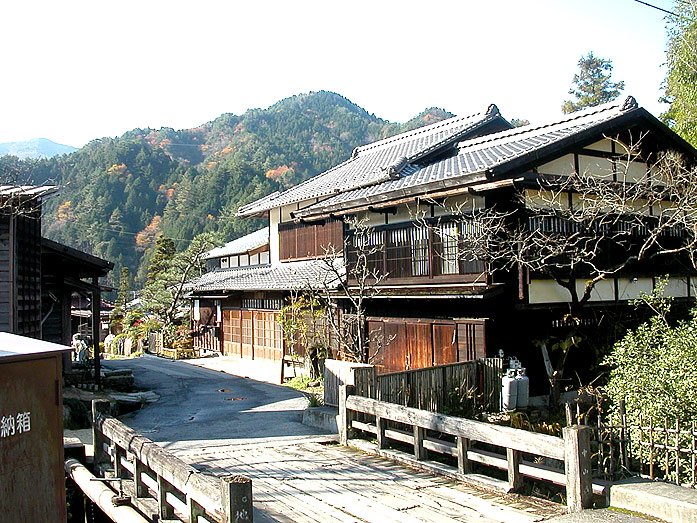
Old Post Town Tsumago along the Nakasendo Route
This post can contain affiliate links, which means that we may receive a small commission if you make a purchase using these links.
Trip Intro
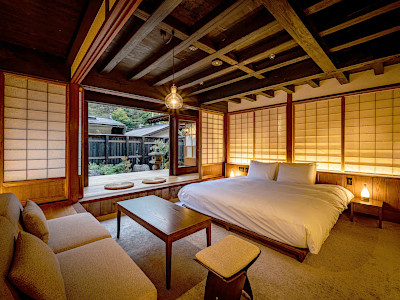
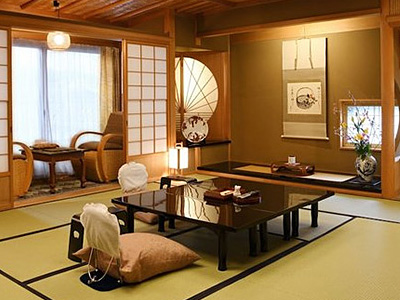
The Nakasendo (meaning central mountain route) connected during the Edo period (1603 - 1868) the city of Kyoto with Edo (now modern-day Tokyo). It was mainly used by merchants, samurai, daimyos and their servants. The important trail had a total length of 534 km. I decided to follow the trail for three days through amazing landscapes. Along the way, I visited the famous and well-preserved post towns of Narai, Tsumago and Magome. During its heyday, there were sixty-nine post towns in total. For me, it was one of the most beautiful hiking tours in Japan. The whole experience would not be complete without staying in one of the traditional ryokan.
 Get Your Pass Now and Save!
1Narai in Nagano Prefecture
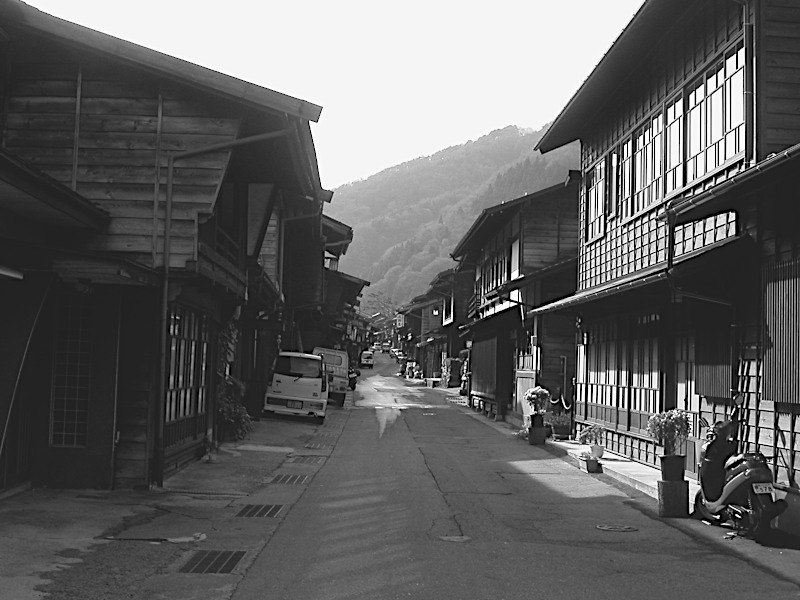
Narai is the perfect starting point for this recommended hiking tour. It was the halfway point of the famous Nakasendo Route and, of all the post towns along the trail, one of the wealthiest and most successful. Around fifty well-preserved historic buildings can still be found here, including the Nakamura Residence and Kamidonya Shiryokan. The town is also the heart of the Kiso lacquerware industry. As you stroll around, make sure to visit some of the lacquerware shops, or stop by one of the charming restaurants, cafés, and minshuku lodges, which are traditional family-run bed and breakfast accommodations. Find out more >
Don’t miss these Nagano Prefecture highlights:
2Kiso Valley in Nagano Prefecture
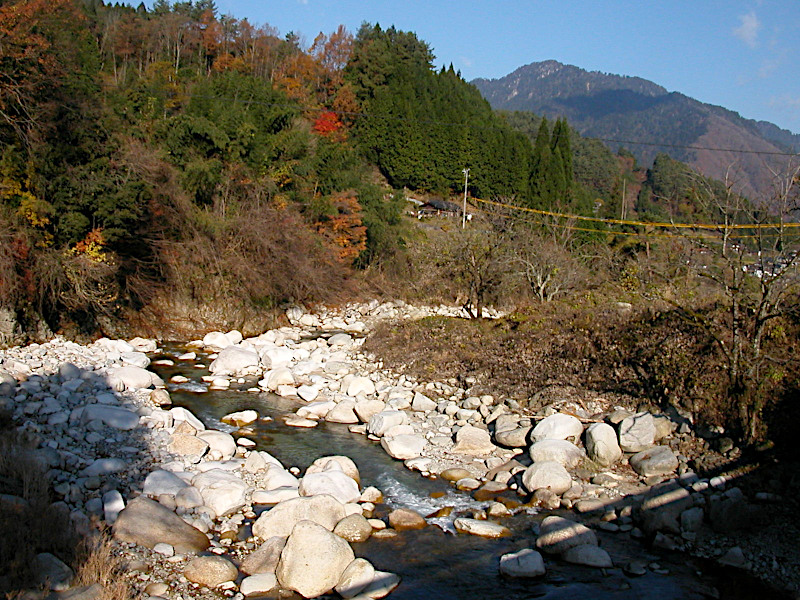
The Nakasendo Trail, a former merchant road, crosses the Kiso Valley for some kilometers. The valley has a total length of approximately 60 km. It is a true hiking paradise surrounded by the Central Alps and Mount Ontake, Japan’s second-tallest volcano after Mt. Fuji. I followed the trail from Narai to my next destination, Tsumago. Along the way, you will pass beautiful natural scenery, waterfalls, hot springs, crystal-clear rivers and lakes, huge hinoki cypresses, and plenty of wildlife. Find out more >



3Tsumago in Nagano Prefecture
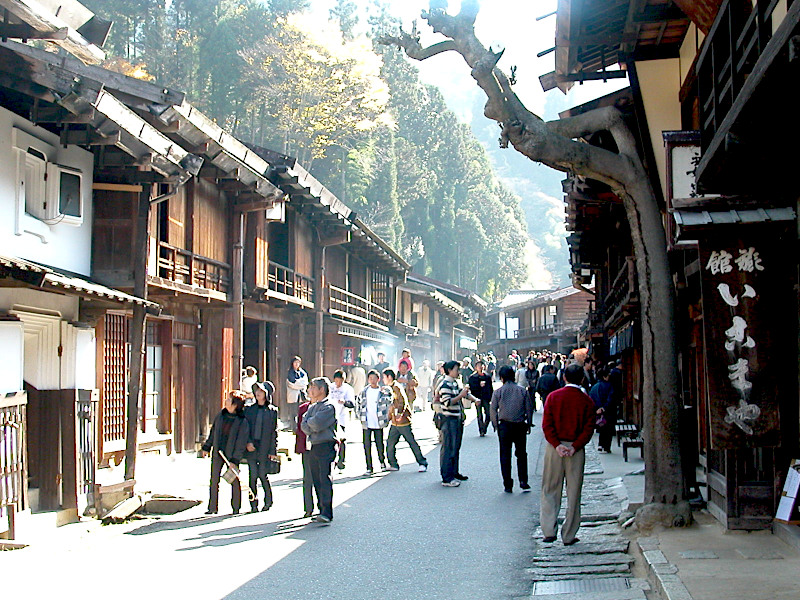
Tsumago is one of the best-preserved Edo-period post towns in Japan. When you arrive, take a walk along the main street and enjoy its beautiful wooden buildings, craft shops, restaurants, and inns. Cars are not allowed during the day, which adds to the town’s historic atmosphere. Highlights you should not miss include Rekishi Shiryokan, a history museum about the Kiso Valley and the Nakasendo Route; Tsumago Honjin, a famous former inn for daimyo with a great exhibition; Kotokuji Temple, which dates back to 1500; and Kamisagaya, one of the oldest preserved wooden buildings in town. After a nice sightseeing tour, I stayed one night in a Ryokan here and on the next day I hiked for three hours to the next stop, Magome. As an additional info, a baggage shuttle service between Tsumago and Magome can be booked. Find out more >
My tips for local activities
How about joining a guided hike of the historical Nakasendo walking trail from the well-preserved old Japanese town of Tsumago to Magome with roundtrip transportation from Matsumoto? For more details check out this page >
4Magome in Gifu Prefecture
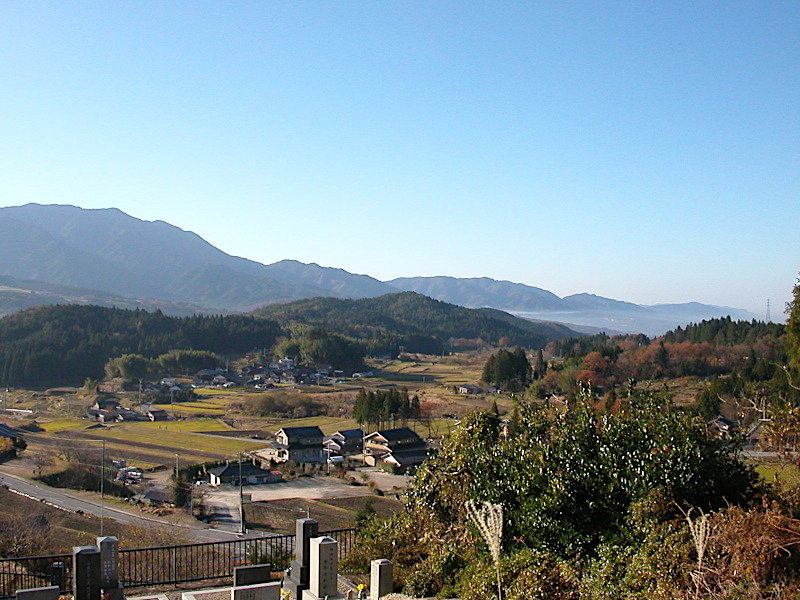
The last stage of this trip is the beautifully preserved post town of Magome, located in Gifu Prefecture. The town has a history of more than 400 years. As you walk along its cobblestone streets and hilly lanes, you can enjoy beautiful scenery, souvenir shops, restaurants, museums, tea houses, and inns. One of the main highlights is Magome-juku Honjin, a well-restored inn that once hosted high-ranking officials during the Edo period. Another interesting stop is the Wakihonjin Museum, which presents the history of the town. You will also come across the name Toson Shimazaki quite often. He was a famous novelist from this area. What makes Magome especially beautiful are the great views over the valley and the surrounding mountains. Find out more >
Don’t miss these Gifu Prefecture highlights:
Location
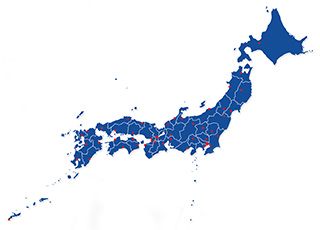
Narai, the start point of this trip, belongs to the city of Shiojiri and is located near the highest pass on the Nakasendo Route within the Nagano Prefecture.
Address of Narai-juku Tourist Information Center: 497-3 Narai, Shiojiri City, Nagano 399-6303
How to get to Narai?
- 2,5hrs from Tokyo Shinjuku Station to Shiojiri Station by JR Azusa Line and
- 20min from Shiojiri Station to Narai Station by JR Chuohonsen Line or
- 100min from Tokyo to Nagoya by JR Tokaido Shinkansen and
- 85min from Nagoya to Kisofukushima Station by JR Shinano (Limited Express) and
- 30min from Kisofukushima Station to Narai Station by local train or
- 45min from Matsumoto by local train for Nakatsugawa with JR Shinonoi & Chuo Lines
Where to stay in Narai, Tsumago and Magome?

Book your Flight Tickets and Rental Car for your Japan trip
